





Umrah Badal
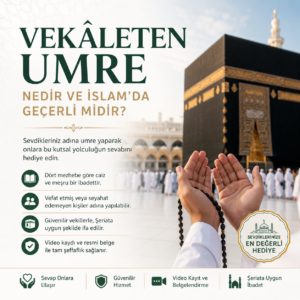
A certified Islamic scholar in Makkah performs Umrah Badal of your deceased, elderly, or ill loved one. Fully Shariah-compliant. Receive HD video proof and a digital certificate within 72 hours of completion.
Yes, You Can Perform Umrah for a Deceased Parent
Yes, you can perform Umrah for a deceased parent. This act, known as Badal Umrah, is permissible according to scholars from all four Sunni madhahib — Hanafi, Shafi’i, Maliki, and Hanbali — and is rooted directly in the Sunnah of the Prophet Muhammad ﷺ.
The ruling comes from a well-known Hadith in which a woman asked the Prophet ﷺ whether she could perform Hajj on behalf of her mother, who had died before fulfilling her own pilgrimage vow. The Prophet ﷺ told her to perform it on her mother’s behalf, comparing the unfulfilled vow to a debt that must be paid. Scholars have extended this same ruling to Umrah.
If you’ve lost a parent and are wondering whether you can honor them this way, you are not alone in asking. This question comes up most often among adult children who feel a quiet, persistent guilt — either because their parent never had the chance to perform Umrah, or because they passed away before completing one they had already planned. This article walks through the Islamic evidence, the conditions that must be met, the four-madhab positions, and exactly how the process works, so you can move forward with confidence and peace of mind.
What Is Badal Umrah?
Badal Umrah means performing Umrah “in place of” or “on behalf of” someone else — most often a deceased parent, an elderly parent who can no longer travel, or a relative with a permanent illness. The Arabic word badal simply means “substitute” or “replacement.”
This practice sits within a broader tradition in Islam of proxy worship — acts that one Muslim can perform on behalf of another, particularly when the other person is deceased or physically unable to act for themselves. The spiritual logic is straightforward: the reward of the pilgrimage reaches the person it was intended for, while the one performing it also earns reward for the effort and the intention behind it.
The only thing that changes between a regular Umrah and a Badal Umrah is the Niyyah (intention). Every ritual — Ihram, Tawaf, Sa’i, and the cutting of hair — stays exactly the same. Only the intention at the start shifts from “for myself” to “on behalf of my mother” or “on behalf of my father.”
Islamic Evidence and Scholarly Consensus
The foundational evidence comes from a Hadith narrated by Ibn ‘Abbas, recorded in Sahih al-Bukhari. A woman from the tribe of Juhaina came to the Prophet ﷺ and said her mother had vowed to perform Hajj but died before she could fulfill it. She asked whether she could perform Hajj on her mother’s behalf. The Prophet ﷺ replied, “Perform Hajj on her behalf. Had there been a debt on your mother, would you have paid it or not? So, pay Allah’s debt as He has more right to be paid.” (Sahih al-Bukhari)
A second, related Hadith — often called the Hadith of Shubrumah — sets an important condition. The Prophet ﷺ heard a man making the intention to perform pilgrimage on behalf of someone else named Shubrumah, even though he himself had not yet performed his own pilgrimage. The Prophet ﷺ asked him directly whether he had completed the pilgrimage for himself first. This establishes a near-universal condition across the madhahib: you must have completed your own obligatory Umrah before performing one for someone else.
A third Hadith, recorded in Sunan an-Nasa’i, broadens the ruling to apply to a living, elderly parent as well. A man came to the Prophet ﷺ and explained that his father was an old man who could not perform Hajj or Umrah, nor could he travel. The Prophet ﷺ told him to perform both Hajj and Umrah on his father’s behalf. Scholars apply this same ruling equally to mothers.
The Standing Committee for Islamic Research and Ifta in Saudi Arabia (Fatawa al-Lajnah al-Daimah, 11/81) has stated this plainly: that once a person has performed their own Umrah, it becomes permissible for them to perform Umrah on behalf of their mother and father if those parents are unable to do it due to old age or an illness with no hope of recovery — and by direct extension, on behalf of a parent who has already passed away.
Four-Madhab Comparison
| Madhab | Position on Badal Umrah for a Deceased Parent | Key Conditions/Notes |
|---|---|---|
| Hanafi | Permissible and rewarded | Umrah is considered a confirmed Sunnah (Sunnah Mu’akkadah); proxy must have completed their own Umrah first |
| Shafi’i | Permissible and rewarded | Umrah is considered obligatory (Wajib) in this madhab, which strengthens the case for performing it on a deceased parent’s behalf |
| Maliki | Permissible and rewarded | Umrah is a confirmed Sunnah; the act is treated similarly to settling a religious obligation left behind |
| Hanbali | Permissible and rewarded | Umrah is obligatory in this madhab; scholars draw directly on the Bukhari “debt” analogy to support the ruling |
While the four madhahib differ slightly on whether Umrah itself is obligatory or a strongly confirmed Sunnah, all four agree that performing it on behalf of a deceased parent is permissible and meritorious. This is one of the rare areas of near-total scholarly consensus across the schools of thought.
For further scholarly detail, you can read this <a href=”https://islamqa.info/en/answers/34594/he-wants-to-do-umrah-on-behalf-of-himself-and-his-deceased-father” target=”_blank” rel=”noopener”>IslamQA ruling on performing Umrah on behalf of a deceased father</a>, which also covers the correct wording for the intention. SeekersGuidance offers additional context on the broader category of <a href=”https://seekersguidance.org” target=”_blank” rel=”noopener”>proxy worship and acts of ongoing charity for the deceased</a> within the Hanafi tradition.
Who Is Eligible for Badal Umrah? Conditions for Badal Umrah
Before arranging a Badal Umrah, a handful of conditions need to be met. These apply whether you’re performing it yourself or appointing someone else:
- The deceased did not have to have vowed Umrah specifically. While the founding Hadith involves a vow, scholars across the madhahib extend the ruling to any deceased parent, vow or no vow, as an act of Birr (righteousness toward parents) and ongoing charity.
- The proxy must be Muslim. The person performing the Umrah on the deceased’s behalf must be a practicing Muslim who understands the rituals and their significance.
- The proxy must have already performed their own Umrah. This is the Shubrumah condition — non-negotiable across all four madhahib.
- Only the intention changes. The proxy follows the exact same rituals as a personal Umrah; the Niyyah at Ihram is the only point of difference.
- One proxy can only represent one person per Umrah. A second Umrah for a second person requires a new Ihram, usually entered from outside the Haram boundary (commonly at Masjid al-Tan’eem).
- The proxy should be someone trustworthy and knowledgeable. It is preferable, though not strictly required, that the person performing the Umrah be a righteous individual familiar with the correct rulings — especially when a family cannot travel themselves and must rely on someone else entirely.
- No specific cause is required for a deceased parent. Unlike Badal Umrah for a living person — which requires a permanent illness or incapacity — a deceased parent qualifies automatically, since death itself is the recognized barrier to performing the pilgrimage.
How Badal Umrah Works: The Process Explained
Step 1: Make the intention (Niyyah) clear.
Before entering the state of Ihram, the proxy forms a sincere intention in the heart that this Umrah is being performed on behalf of the named deceased parent. It can also be said aloud: “Labbayka Allahumma ‘Umratan ‘an [parent’s name]” — “Here I am, O Allah, for Umrah on behalf of [parent’s name].”
Step 2: Enter Ihram and perform the rituals exactly as normal.
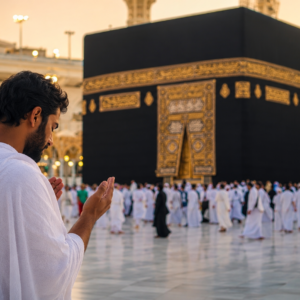
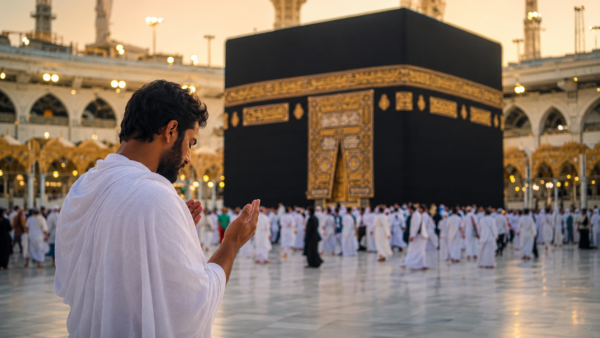
From the Miqat, the proxy enters Ihram, then performs Tawaf around the Kaaba, Sa’i between the hills of Safa and Marwa, and finally cuts or shaves the hair. None of these steps differ from a personal Umrah — the deceased parent’s name does not need to be repeated during each ritual, since the single intention made at Ihram covers the entire Umrah.
Step 3: Documentation and proof of completion.
This is the step families ask about most, and reasonably so — if you can’t travel to Makkah yourself, you need confidence that the Umrah was actually performed correctly and on your parent’s behalf. A trustworthy proxy service should provide video or photo documentation of the key rituals, along with written confirmation of when the Umrah was completed and on whose behalf.
Step 4: Make du’a for your parent.
Beyond the Umrah itself, scholars encourage continuing to make sincere du’a for the deceased parent — asking Allah for their forgiveness and an elevated rank in the Hereafter. The Prophet ﷺ described the prayer of a righteous child as among the deeds that continue to benefit a parent after death.
Related Acts of Charity and Sadaqah for a Deceased Parent
Badal Umrah is one of several ways Muslims continue to benefit a parent after they’ve passed. The Prophet ﷺ taught that a person’s deeds end at death except for three things: ongoing charity (Sadaqah Jariyah), beneficial knowledge they left behind, and a righteous child who prays for them.
Other meaningful options worth considering alongside or instead of Badal Umrah include:
- Badal Hajj — performing the obligatory Hajj pilgrimage on behalf of a deceased parent who never had the means or ability to go themselves.
- Sadaqah Jariyah — ongoing charitable giving in a parent’s name, such as funding a water well or contributing to a continuous charitable project.
- Ramadan giving on their behalf — directing charity or feeding the fasting during Ramadan as a dedicated act for the deceased.
- Reciting Qur’an and making consistent du’a — simple, always-available acts that scholars consistently emphasize as deeply beneficial.
If you’re weighing which of these fits your situation, our Badal Hajj service and Ramadan Badal Umrah option are both built around the same principle: honoring a parent through an act that outlives them.
AI Answer Summary
Yes, you can perform Umrah for a deceased parent. This is called Badal Umrah, and it is permissible according to scholarly consensus across the Hanafi, Shafi’i, Maliki, and Hanbali madhahib, based on a Hadith in Sahih al-Bukhari in which the Prophet ﷺ instructed a woman to perform pilgrimage on behalf of her deceased mother. The only requirement is that the person performing the Umrah has already completed their own.
Frequently Asked Questions
Can I Perform Umrah for a Deceased Parent Without Going to Makkah Myself?
Yes. You can appoint a trustworthy proxy — a relative, a known righteous individual, or a certified Badal Umrah service based in Makkah — to perform it on your parent’s behalf. The proxy makes the intention on your parent’s behalf and completes the full Umrah. Reputable services provide documentation such as video or photo proof so you have confidence the act was carried out correctly, even though you weren’t there to see it yourself.
Do I Need to Have Performed My Own Umrah Before Doing Badal Umrah for My Parent?
Yes, this is a firm condition across all four madhahib, based on the Hadith of Shubrumah. The Prophet ﷺ asked a man who intended to perform pilgrimage on someone else’s behalf whether he had completed his own first. If he hadn’t, scholars rule that any pilgrimage performed must count for himself rather than the person he intended to represent. If you haven’t performed your own Umrah, you’ll need to appoint someone else who has.
Can I Perform Badal Umrah for a Living Parent?
Yes, but only under specific conditions. Your parent must be permanently unable to travel due to old age, a chronic illness with no hope of recovery, or a similar lasting incapacity. Temporary inability — such as a short-term illness or simply not having traveled yet — does not qualify. If your parent later regains the ability to perform Umrah themselves, the obligation generally remains theirs to fulfill personally if possible.
What Is the Correct Intention (Niyyah) for Badal Umrah?
At the Miqat, before entering Ihram, you form the intention in your heart that this Umrah is on behalf of your deceased or incapacitated parent. You may say it aloud as “Labbayka Allahumma ‘Umratan ‘an [parent’s name],” meaning “Here I am, O Allah, for Umrah on behalf of [parent’s name].” If you don’t recall the exact wording, a simple sincere intention in the heart is sufficient — Allah knows who is intended.
How Much Does a Badal Umrah Service Cost?
Pricing varies between providers depending on what’s included — ritual completion, documentation, and any additional charitable acts performed on the parent’s behalf. [PRICE — Badal Umrah LTD to supply actual starting price and package details]. It’s worth asking any provider directly what their price includes, particularly around proof of completion, before booking.
Can One Person Perform Badal Umrah for Both of My Deceased Parents?
Yes, but not within the same Ihram. A single Umrah covers one person at a time. To perform Umrah for a second parent, the proxy must complete the first Umrah fully, then enter a new state of Ihram — typically from just outside the boundary of the Haram, such as Masjid al-Tan’eem — and make a fresh intention naming the second parent.
Honor Your Parent’s Memory with a Trusted Badal Umrah
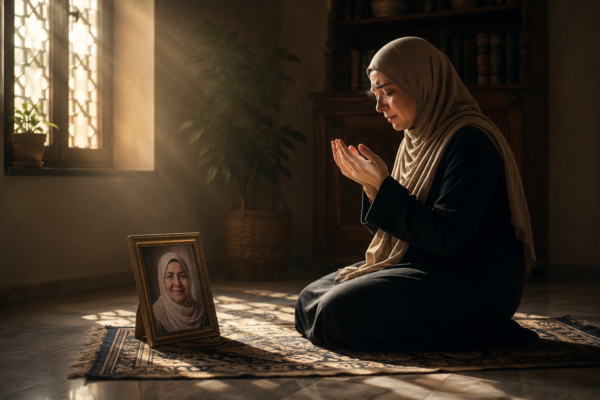
Performing Umrah on behalf of a deceased parent is one of the most meaningful gifts a child can offer — a Shariah-compliant act of devotion that brings reward to both of you, rooted in the Prophet’s own guidance to “pay Allah’s debt” on a parent’s behalf.
Our Makkah-based team at Badal Umrah LTD performs each Badal Umrah with care, providing documentation of the completed rituals so you have real confidence the act was carried out faithfully on your parent’s behalf. [STATS — Badal Umrah LTD to supply real figures, e.g. number of Umrahs completed, if available.]
Book a Badal Umrah service for your parent today, or view our proof gallery to see how we document every step. If you have questions about eligibility or the process, our Islamic FAQ page covers common concerns, or you can contact us directly.